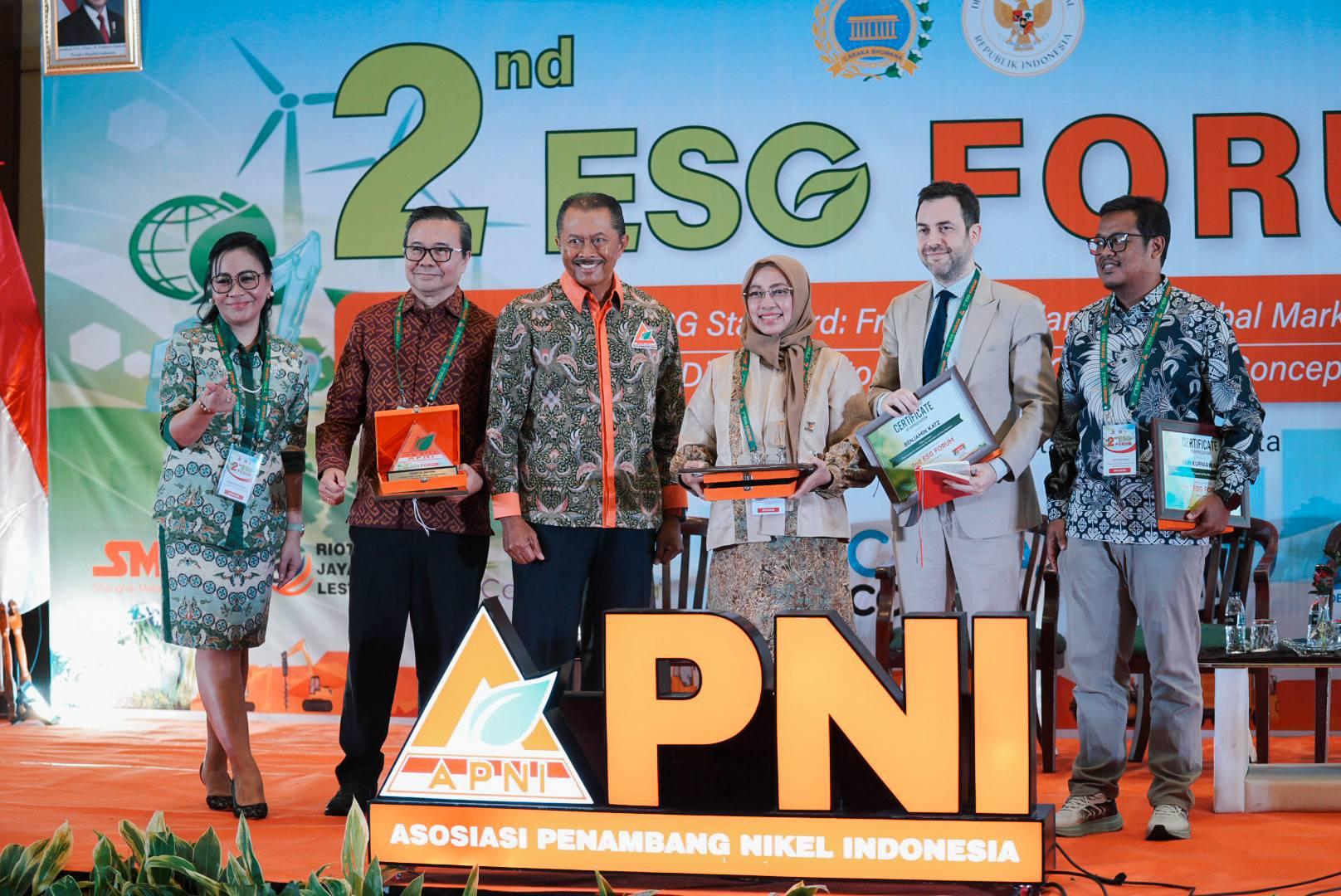
As global demand for critical minerals continues to grow in support of the energy transition, Indonesia plays a strategic role as the holder of the world’s largest nickel reserves. With approximately 42% of global nickel reserves, Indonesia is not only a key player in the green energy supply chain but also faces increasing expectations to ensure responsible and sustainable mining practices. As investors, battery manufacturers, and global customers place greater emphasis on Environmental, Social, and Governance (ESG) performance, credible sustainability standards have become essential to maintaining the competitiveness of Indonesia’s mining industry.
This need was one of the key topics discussed at the 2nd APNI ESG Forum 2026. During the forum, Harita Nickel’s HSE Director, Tonny Gultom, highlighted the importance of developing ESG standards that address the unique characteristics and challenges of Indonesia’s mining sector while maintaining credibility in the global marketplace.
According to Tonny, one of the primary challenges lies in the differences between Indonesia’s nickel resources and those found in countries that have traditionally served as references for international ESG standards. Most global ESG frameworks were developed based on experience with sulfide-based nickel mining, whereas Indonesia’s nickel resources are predominantly laterite ores.
“Most international standards are based on sulfide deposits. In Indonesia, however, laterite is the dominant ore type. The two are fundamentally different. The mining methods, processing routes, and operational approaches are not the same, so adapting those standards takes time,” Tonny explained.
Nevertheless, Tonny emphasized that the industry should not view local and global standards as competing priorities. Instead, mining companies should adapt international best practices to ensure they can be implemented effectively in Indonesia while meeting the expectations of investors, customers, and other global stakeholders.
This commitment is reflected in Harita Nickel’s ongoing sustainability initiatives. The company continues to align its operations with internationally recognized ESG frameworks, including the Global Reporting Initiative (GRI), the Responsible Minerals Initiative (RMI), and voluntary audits under the Initiative for Responsible Mining Assurance (IRMA).
Harita Nickel also translates its ESG commitments into programs that deliver tangible environmental and social benefits. On the environmental front, the company has pioneered the use of Rotary Kiln Electric Furnace (RKEF) nickel slag as a soil ameliorant to support post-mining land reclamation. This initiative contributed to the development of Indonesia’s SNI 9420:2025 standard and positioned Harita Nickel as a pioneer in the use of nickel slag for reclamation purposes in Indonesia.
On the social front, Harita Nickel implements a range of community development programs focused on strengthening local human capital. Through the PELITA Program (Youth Skills and Competency Development Program), the company provides vocational training and professional certification opportunities for young people on Obi Island, helping improve workforce readiness while creating broader economic opportunities for local communities.
For Harita Nickel, ESG is more than a compliance requirement—it serves as a foundation for creating long-term value for communities, the environment, and the industry. Through its participation in the development of Indonesia’s national ESG guidelines alongside APNI, Harita Nickel supports the advancement of ESG standards that are aligned with Indonesia’s unique characteristics while remaining credible in the eyes of the global market.
05 June 2026
Building Indonesia’s ESG Standards: Locally Relevant, Globally Credible
03 June 2026
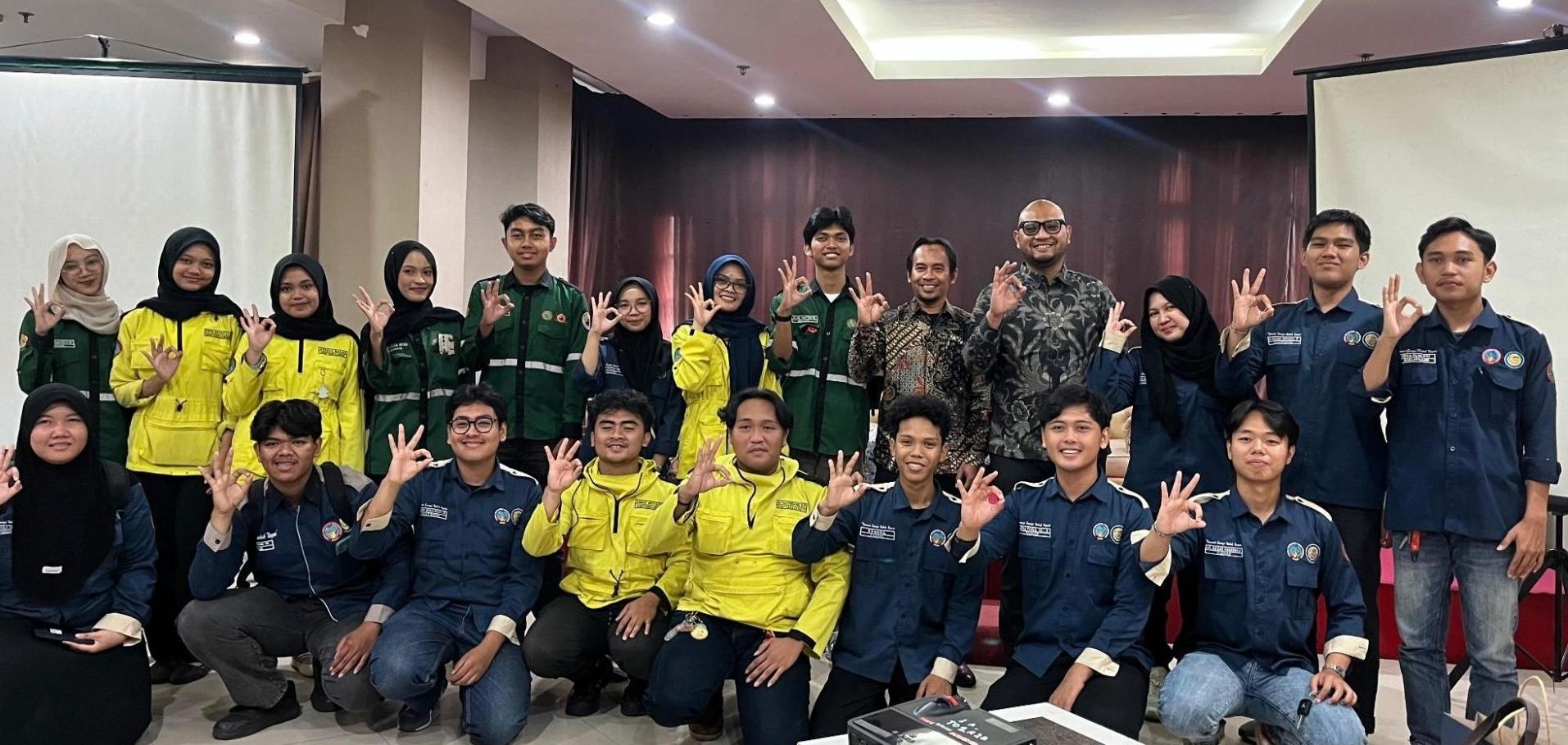
Advancing Responsible Mining, Harita Nickel Showcases Data-Driven Exploration
02 June 2026
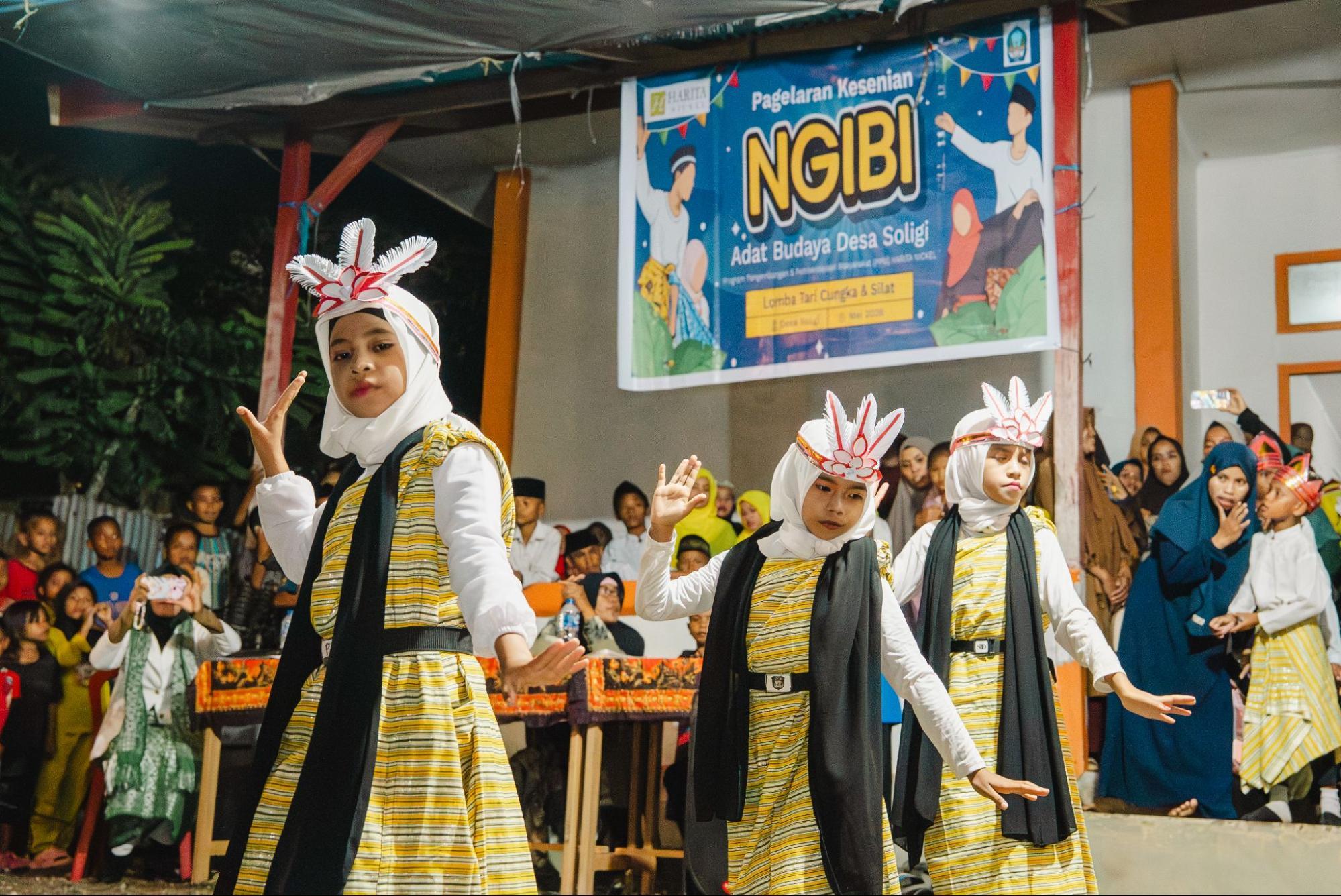
Ngibi Cultural Performance: Passing Down Buton’s Heritage to Soligi’s Younger Generation
18 May 2026
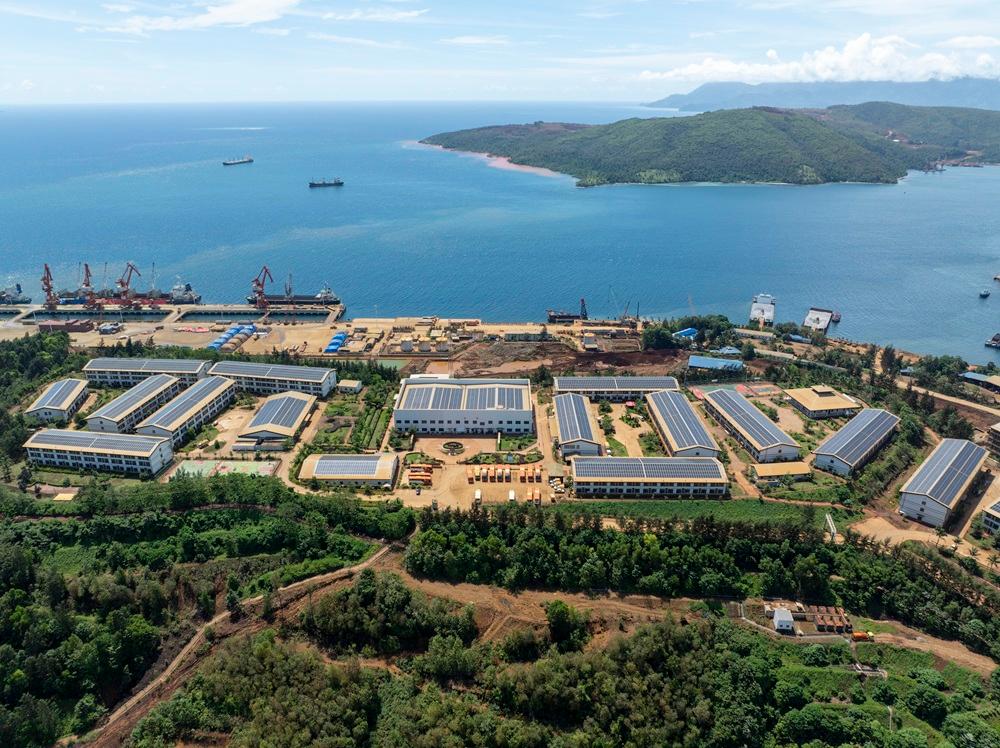
First in Asia, Harita Nickel Undergoes RMAP+ Audit to Strengthen ESG Standards
04 May 2026
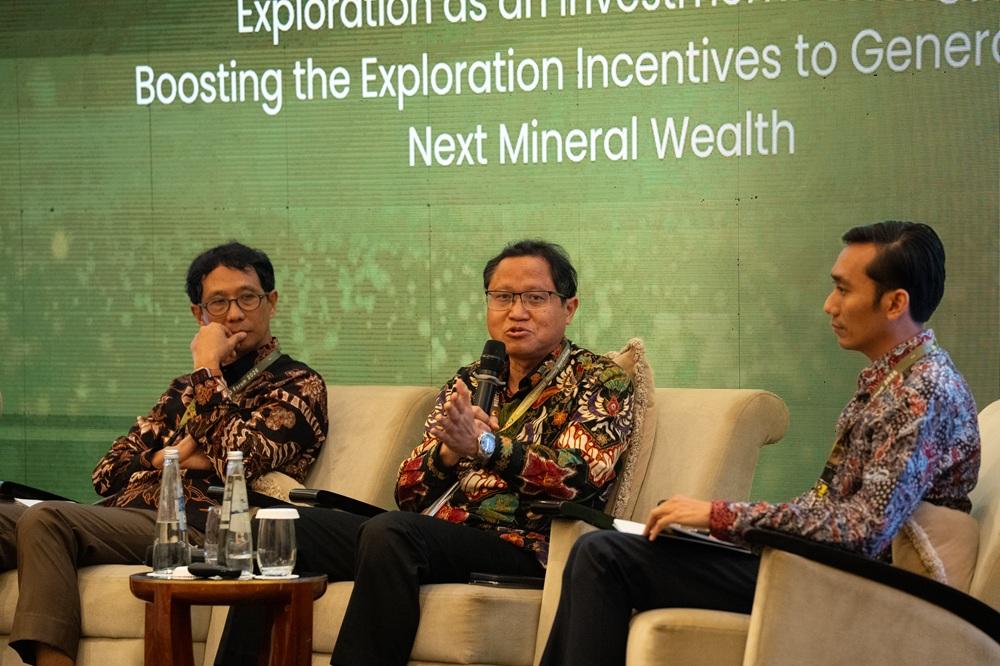
Harita Nickel Strengthens Nickel Reserves Through Reserve Replacement Strategy
21 April 2026
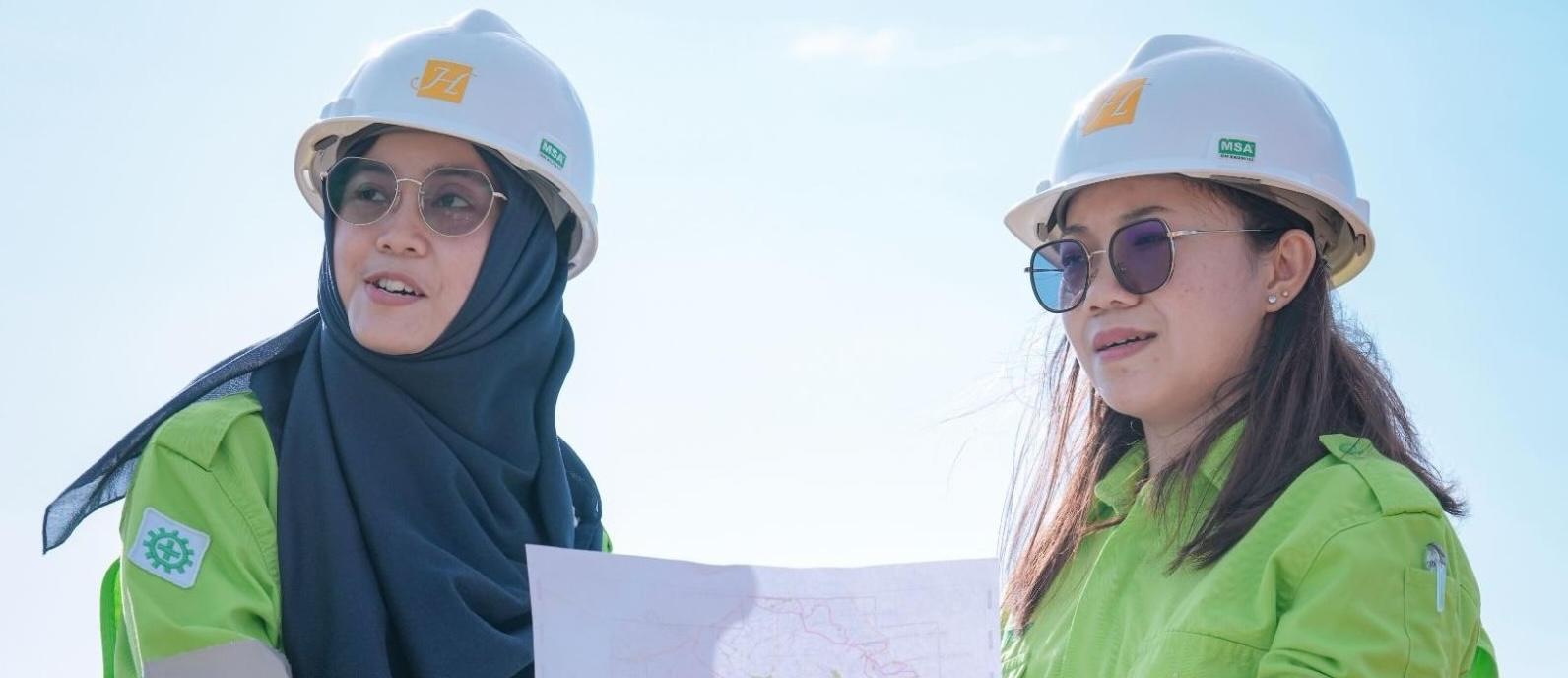
Kartini Day at Harita Nickel: Women Driving Safety, Environmental Stewardship, and Community Engagement
%25202.jpg&w=3840&q=75)
13 April 2026
Iftar Gathering with Local Media: Harita Nickel Strengthens Communication and Unity
.jpg&w=3840&q=75)
31 March 2026
Harita Nickel Shares Occupational Safety System Practices at PERHAPI North Maluku Forum

21 March 2026
Harita Nickel Assesses Local Operator Competency, Prepares Skilled Workforce for the Downstream Industry
08 March 2026